



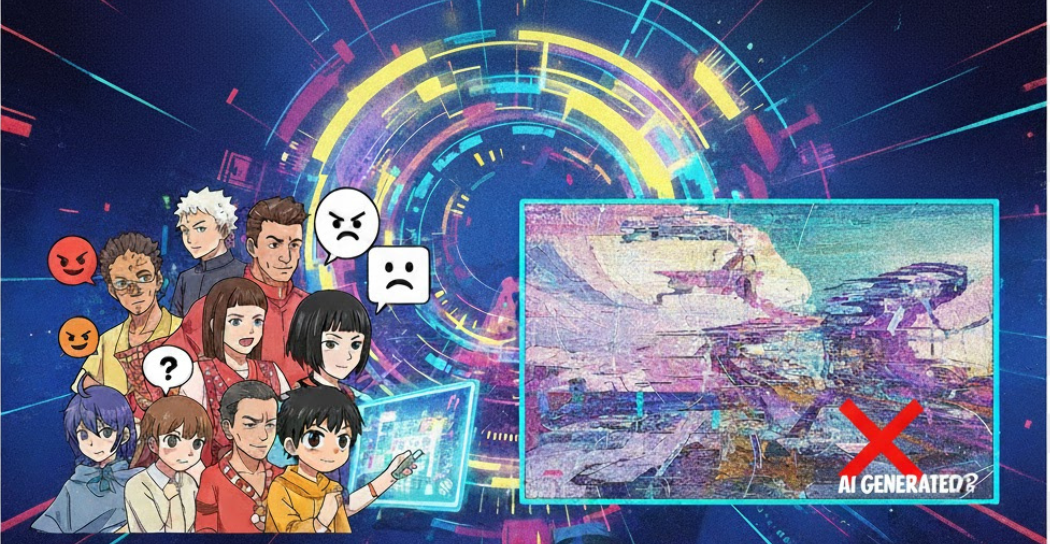
What should have been a historic moment for India’s growing manga scene has been overshadowed by an unexpected outcry. The upcoming Japanese-style manga Celbreroms, created by Kerala-based author Anand Panackal and scheduled for release in mid-December 2025, has ignited a storm of controversy across social media platforms worldwide. Instead of celebrating India’s entry into the global manga landscape, fans are fiercely debating one topic: AI-generated art.
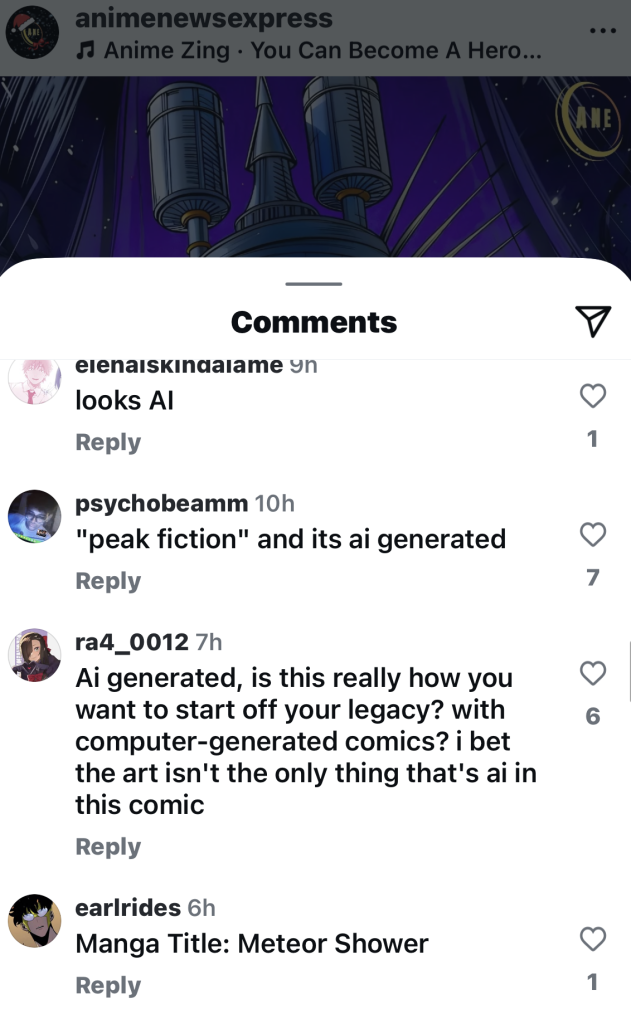
The backlash began almost instantly after preview panels were posted on social media by the promotion page animenewsexpress. Within hours, the comment sections were flooded with viewers claiming the artwork “looked AI,” calling it “computer-generated fiction,” and accusing the creator of being dishonest about the production process. Some users went as far as demanding that Panackal “learn to draw” rather than depend on artificial intelligence.
Ironically, the outrage erupted despite the fact that Panackal had already disclosed—openly, on the official publishing website—that Celbreroms was produced using a hybrid pipeline: half traditional hand-drawn sketches and half AI-assisted rendering. The creator stated that this workflow was chosen to manage time, style consistency, and worldbuilding complexity. Nevertheless, this transparency did little to calm the storm.
A Manga Meant to Break Ground—Now Breaking the Internet Instead
Celbreroms follows the story of a unit of elite Kirin soldiers who encounter a mysterious super-machine. As they attempt to understand and confront its unimaginable abilities, the soldiers uncover unsettling truths about Celbreroms, the only advanced technological entity in their otherwise pre-industrial world. The manga aims to blend military fantasy, science-fiction mystery, and philosophical themes around technological creation—ironically mirroring the real-world debate it has now triggered.
The project was poised to be a milestone: a South Asian creator launching a Japanese-inspired manga on the international stage, with a narrative intended to reach diverse global audiences. Instead, it has become the latest flashpoint in the ongoing cultural battle over AI’s place in creative industries.
Fans Draw Lines Between Innovation and Authenticity
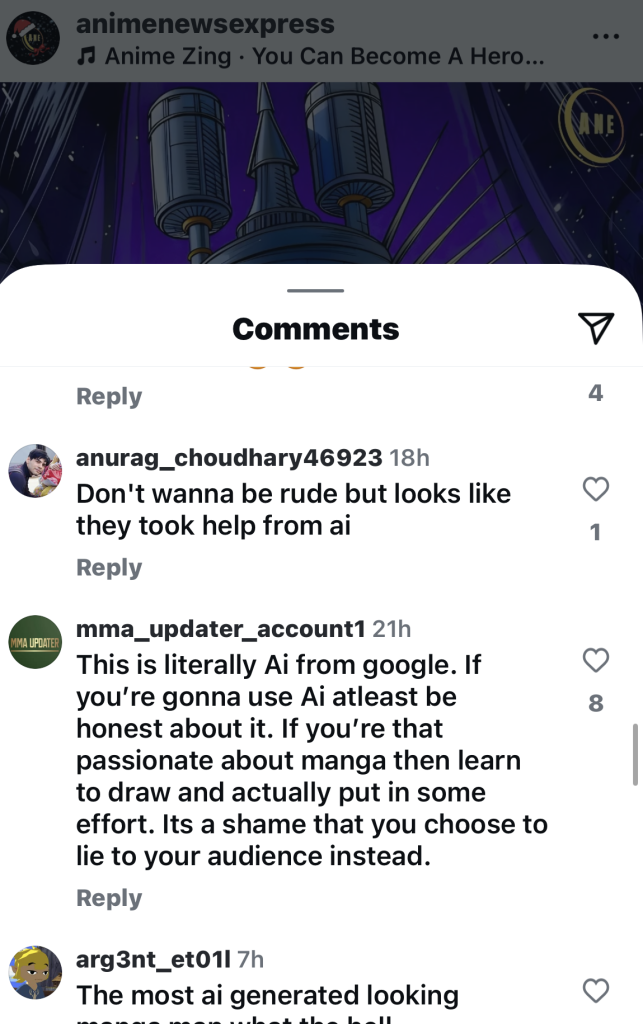
The online manga community—particularly on Instagram, Reddit, and X—has shown strong resistance to AI-augmented artwork. Comments on the preview post ranged from blunt criticism (“Looks AI,” “Peak fiction and it’s AI generated”) to sharp condemnations accusing the artist of abandoning artistic integrity.
One commenter wrote:
“If you’re passionate about manga, then put in effort. Don’t lie to your audience.”
Another claimed the panels were “literally AI from Google,” insisting that no human contribution could be seen.
Yet supporters argue that the backlash reflects an outdated mindset. AI-assisted art—when transparently used—has become a legitimate tool for many independent creators who lack the resources of major studios. They contend that Panackal did nothing wrong by integrating AI into his workflow and that hybrid production may represent the future of accessible manga creation.
A Larger Debate Within the Anime and Manga Industry
The Celbreroms controversy taps into a much broader conversation escalating within creative communities. Major publishers in Japan have already begun experimenting with AI-generated backgrounds, shading assists, and animation cleanup processes. Indie artists around the world increasingly rely on AI for prototyping and stylistic enhancement. Yet fandom culture remains deeply attached to traditional craftsmanship, valuing the “human touch” as a hallmark of authenticity.
For many fans, the rise of AI feels like a threat—not only to artists’ livelihoods but to the soul of manga itself.

Where Does Celbreroms Go From Here?
Despite the uproar, interest in Celbreroms has surged. The announcement post has racked up thousands of interactions, and discussions continue to trend under hashtags related to AI art, manga integrity, and South Asian creators.
Publishers have confirmed that the manga will still release as scheduled, and Panackal has not issued additional responses beyond the original transparency statement on the official site.
Whether Celbreroms becomes a groundbreaking success or a lasting symbol of debate, one thing is clear: it has already sparked one of the most heated conversations of the decade about AI, art, and the future of global manga creation.