





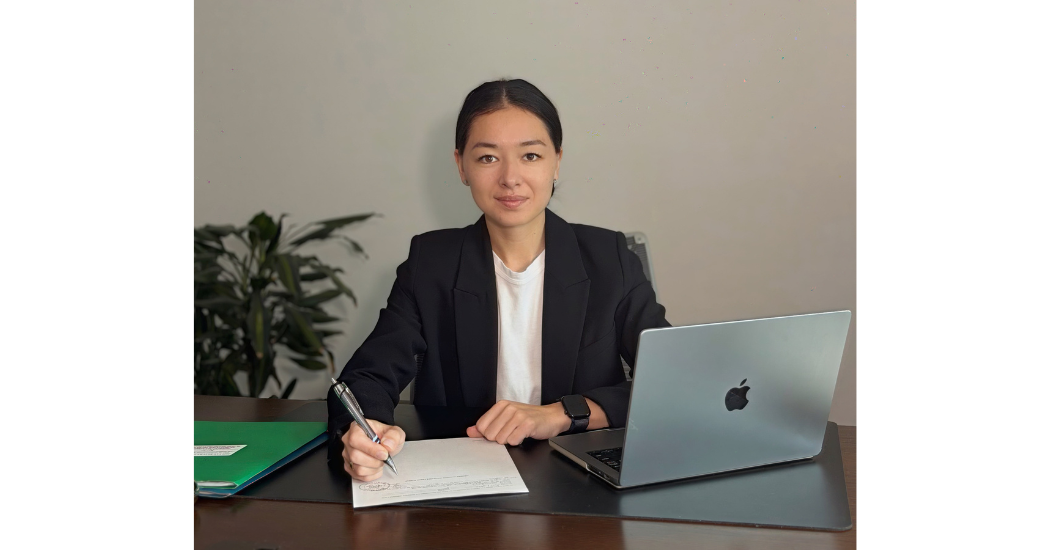
The used-car market remains one of the most stressful and opaque industries for buyers. Sales pressure, hidden issues, and confusing terms often leave customers feeling uncertain and mistrustful. Viktoriia Kim, founder of Kimauto LLC, believes it doesn’t have to be that way.
Established in February 2023 in Georgia, USA, Kimauto LLC is a licensed used-car dealership built by Viktoriia together with her husband Albert. As a family-owned company, it focuses on transparency, customer trust, and long-term relationships in the automotive market. Alongside running the dealership, Viktoriia is also developing an AI-driven car selection platform designed to simplify the vehicle-buying process and make it more transparent for customers.
Drawing from her own experience as a buyer, she set out to build a company where honesty and clarity would become the foundation of the business.
What motivated you to start a car business?
The original idea to start the business came from my husband, but for me it became an opportunity to explore a completely new field. Cars had always been a hobby of mine—I genuinely enjoyed learning about different models, technical details, and how the market works.
The real turning point, however, was my personal experience buying a car. I realized how confusing and non-transparent the used-car market can be. There are often hidden details, conflicting information, and strong pressure from sellers. It sometimes feels like something important is being withheld from you.
At some point, I realized I wanted to build a company where customers would feel calm, informed, and safe. That sense of unfairness—and the desire to make the car-buying process more honest and human—became the real motivation behind launching the business.
What role did your husband Albert play in building the company?
From the very beginning, we divided responsibilities clearly. My husband Albert oversees the technical side of the business and everything related to vehicles. I focus on management, strategy, business development, and relationships with clients and partners.
At the same time, all major decisions are made together. Our partnership is built on trust and respect for each other’s expertise. We each manage our own areas, but we always move toward the same goal.
The idea of creating our own car-selection application was actually my initiative. Albert supported the idea, and now alongside running the dealership, I’m deeply involved in developing this new technology direction.
What challenges did you face starting a dealership in the United States?
Starting a dealership in the U.S. is a complex and multi-step process—especially when you’re building everything from scratch without mentors or step-by-step guidance.
There are licensing requirements, insurance, banking procedures, state regulations, and constant interaction with the DMV. Each step requires precision and attention to detail.
The biggest challenge was building all these processes into one clear and reliable system without making mistakes that could cost money or damage the company’s reputation.
That experience taught me discipline and legal precision. In business there are no small details. You can’t rely on luck—everything has to be structured, documented, and transparent.
What does your typical workday look like?
My workday starts early and is rarely predictable. It usually includes communicating with clients, working with car auctions, managing ongoing deals, solving operational issues, and planning the company’s growth.
A large part of my time is also dedicated to developing our application. That includes building a team of strong IT specialists, managing technical development, and navigating various administrative and organizational tasks.
One moment I might be working on long-term strategy, and the next I’m solving operational problems. Flexibility is essential.
What do you consider your biggest strength as a founder?
I believe my main strength is the ability to see the business as a whole while maintaining a close connection with clients.
I pay a lot of attention to understanding people—their concerns, expectations, and real needs. Listening carefully and building trust with clients has been one of the key factors in our growth.
In the automotive business, trust is everything.
What are the biggest problems in the used-car market today?
The biggest mistake many companies make is focusing on closing quick deals instead of building long-term relationships with customers.
Too often important details are not explained clearly, conditions are unnecessarily complicated, and risks are sometimes intentionally minimized or hidden.
As a result, customers don’t just lose trust in one company—they lose trust in the entire market.

I strongly believe that transparency, honest communication, and patient guidance for customers are not weaknesses. They are actually powerful competitive advantages.
What is the financial philosophy behind your company?
From the beginning, we deliberately chose stability over rapid growth.
Our priorities are risk management, transparent margins, careful cost control, and avoiding aggressive financing strategies. It was important for me to build a business that could survive market fluctuations while maintaining high service standards and customer trust.
Our philosophy has always been simple: slower growth, but stronger foundations.
And in practice, that approach has proven to be the right one.
How is your AI-driven application ONE DRIVE different from other car platforms?
Our application focuses on intelligent vehicle selection, not just listings.
It considers far more than budget and brand. The system analyzes lifestyle, the purpose of the purchase, potential risks, vehicle history, maintenance costs, and long-term ownership expenses.
Our goal is to remove the chaos and stress from the car-buying process.
Instead of feeling like they’re being guided by a salesperson who wants to close a deal, users will feel like they have an intelligent and neutral advisor helping them make the best decision.
In that sense, the platform is not simply a marketplace—it’s a decision-making tool.
How do you build trust and loyalty with customers?
Through honesty and transparency.
We never pressure customers or rush them into making decisions. In fact, we openly explain potential risks—even when that might lead to a customer deciding not to buy the car.
Our goal is long-term relationships. When clients trust you, they come back—and they recommend you to others.
Trust cannot be bought with advertising. It can only be earned through consistent actions over time.
Where do you see your company in the next 3–5 years?
I see the company evolving into a technology platform that connects both private buyers and businesses while making the car market simpler, safer, and more transparent.
Personally, I’d like to gradually focus more on strategy, product development, and mentorship—both within our team and in the broader entrepreneurial community.
For me, growth isn’t just about scale. It’s about creating real value and helping move the industry forward.