


A profound transformation is taking place across the Middle East—one guided not by politics or power, but by education, science, and collaboration. Once seen primarily through the lens of geopolitics, the region is now earning recognition for its growing culture of research, innovation, and international cooperation. Few nations capture this shift as clearly as Jordan, whose stability, moderation and leadership have made it a model of balance and progress in an evolving region.
Under the guidance of His Majesty King Abdullah II, Jordan has positioned itself as a bridge between East and West. Through diplomacy, reform and enduring partnerships with global allies, the King has strengthened Jordan’s international credibility and inspired a renewed focus on knowledge as the foundation of national resilience. His vision has encouraged investment in education, healthcare and technology, helping to create a society where progress is measured not by wealth or size, but by human development and innovation.
This spirit of advancement is drawing new energy from around the world. Increasing numbers of European and American professionals are contributing to projects in the Middle East, attracted by the region’s commitment to research and development. At the same time, many Middle Eastern professionals—particularly in education and science—who once built their careers abroad are now returning home. According to the World Bank, the Middle East and North Africa (MENA) region grew by about 5.2% in 2022, though growth is expected to moderate to roughly 2.2% in 2024. Meanwhile the education market in the Middle East is projected to reach US $175 billion by 2027, growing at a compound annual growth rate (CAGR) of 8.5% between 2022 and 2027.
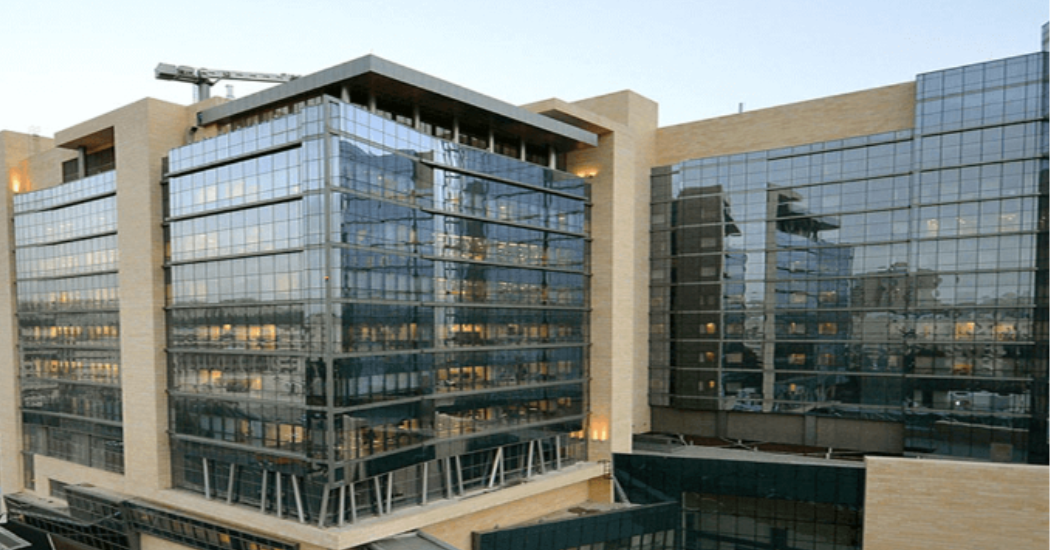
Universities, hospitals and innovation centres across Amman, Riyadh, Doha and Abu Dhabi are forming global partnerships that are reshaping how the Arab world engages with science and education. Together, these collaborations are giving rise to a new Middle Eastern identity—confident, connected and forward-looking.
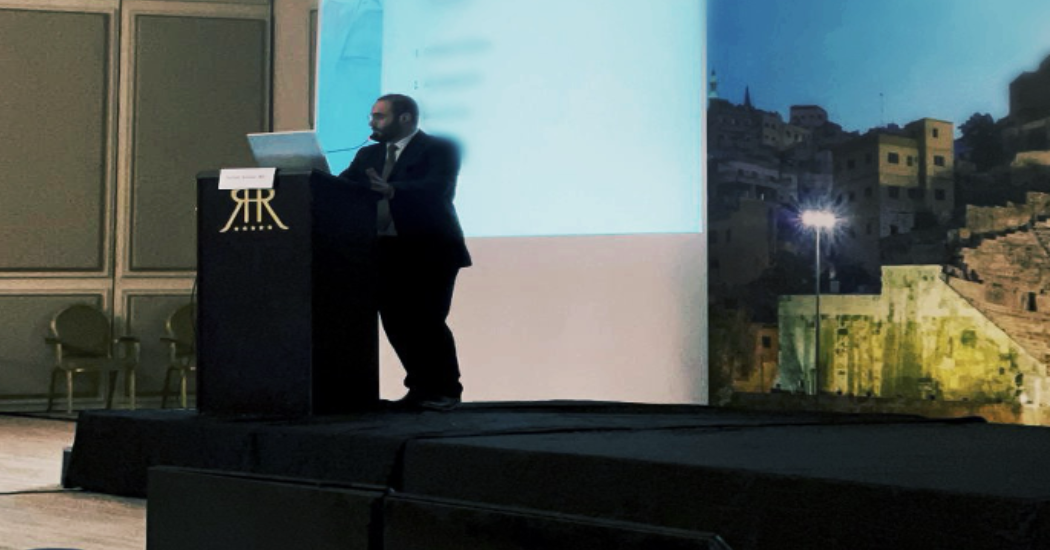
Amid this transformation, Dr Suhaib Ahmad, an influential Jordanian surgeon, researcher and philanthropist, is helping to strengthen Arabian institutions abroad, building bridges that support scientific growth and education across borders. His philanthropic foundation has also supported a large number of children from disadvantaged backgrounds, providing them with access to learning, mentorship and opportunity.

Dr Ahmad’s work reflects the broader direction of Jordan’s leadership—one that defines influence through knowledge and service rather than status. It captures the essence of King Abdullah’s vision: a Middle East defined not by its past, but by its capacity to teach, innovate and unite. Through education and science, Jordan is helping to illuminate a new path for the region—one built on intellect, compassion and lasting partnership.